
Understanding P0174 Code: Causes, Symptoms, and Fixes
Updated on June 13, 2026

Description of the P0174 Code
The P0174 code is an OBD-II trouble code that stands for “System Too Lean (Bank 2).” This code is triggered when the engine control module (ECM) detects that the air-fuel mixture on Bank 2 of the engine is too lean—meaning there’s too much air and not enough fuel. This imbalance can lead to engine performance problems, reduced fuel efficiency, and increased emissions.
Common Causes of the P0174 Code
Several factors can cause a lean condition in the engine’s air-fuel mixture, leading to the P0174 code:
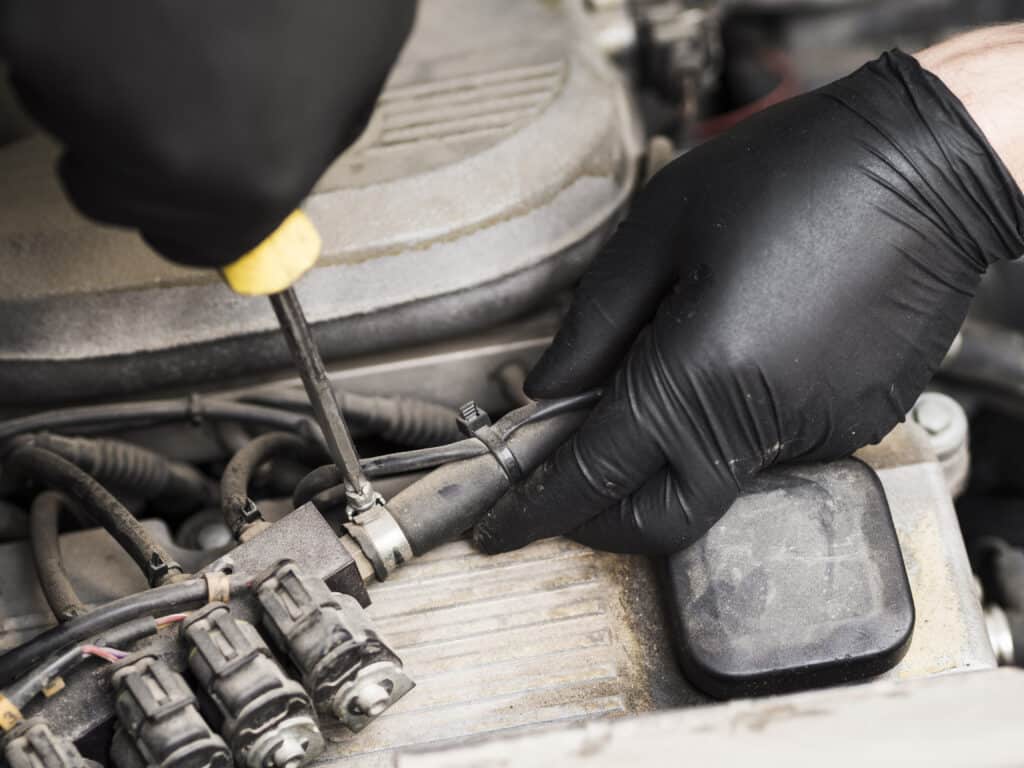
Vacuum Leaks: Leaks in the intake manifold, vacuum hoses, or gaskets can introduce unmetered air into the engine.
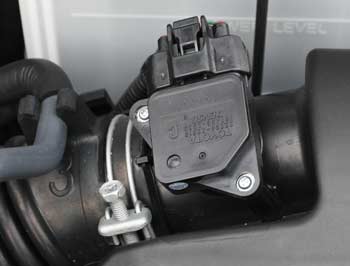
Faulty Mass Air Flow (MAF) Sensor: A malfunctioning MAF sensor can provide incorrect airflow data to the ECM, leading to a lean condition.
Fuel System Issues: Clogged fuel injectors, low fuel pressure, or a failing fuel pump can cause insufficient fuel delivery.
Exhaust Leaks: Leaks in the exhaust manifold or upstream exhaust components can skew oxygen sensor readings.
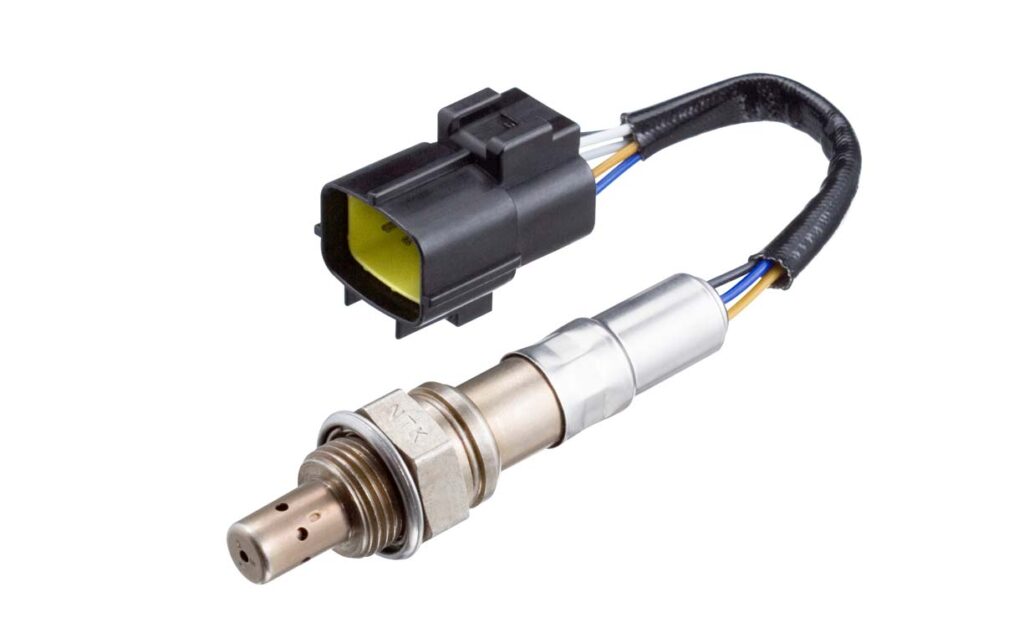
Faulty Oxygen Sensor: A damaged or failing oxygen sensor may send incorrect data to the ECM.
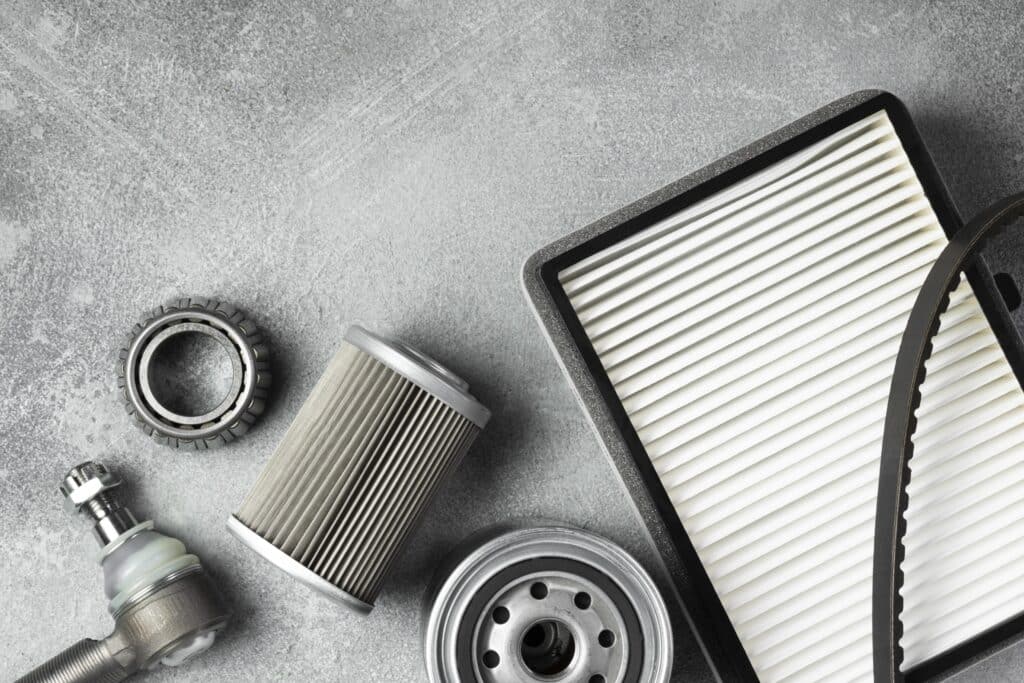
Dirty or Clogged Air Filter: A restricted air filter can affect the engine’s air intake, causing an improper air-fuel ratio.
Symptoms of the P0174 Code
When the P0174 code is present, you may notice the following symptoms:
- Check Engine Light: This is the most common indicator.
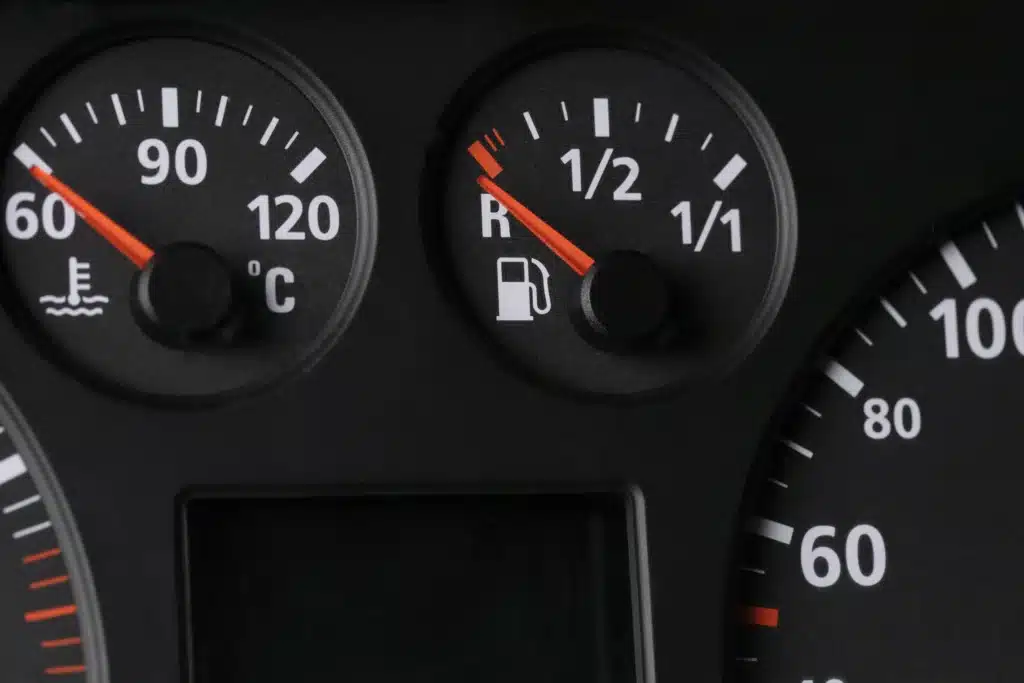
- Poor Fuel Economy: A lean mixture can cause the engine to burn more fuel.
- Engine Misfires: Misfiring may occur due to insufficient fuel in the combustion chamber.
- Lack of Power: Reduced performance during acceleration.
- Rough Idle: The engine may idle roughly due to an imbalanced air-fuel ratio.
- Increased Emissions: A lean condition can increase certain types of exhaust emissions.
Cars That Commonly Experience the P0174 Code
The P0174 code can appear on various makes and models, including:
- Ford: F-150, Explorer, Expedition
- BMW: 3 Series, 5 Series, X5
- Chevrolet/GMC: Silverado, Sierra, Tahoe
- Toyota: Camry, Corolla, Highlander
- Nissan: Altima, Maxima
- Honda/Acura: Accord, CR-V, MDX
Diagnostic Software Tools for Each Car Brand
Using the right diagnostic software is crucial for accurately identifying and fixing the P0174 code. Here are some recommended tools:
- Ford: Use the Ford IDS (Integrated Diagnostic Software) or Forscan for comprehensive diagnostics.
- BMW: BMW ISTA-D (Integrated Service Technical Application – Diagnostics) is ideal for professional-level diagnostics.
- Chevrolet/GMC: Use GM Tech2 or GDS2 diagnostic software.
- Toyota: Toyota Techstream provides in-depth diagnostic and repair capabilities.
- Nissan: Consult III Plus is the preferred software for Nissan vehicles.
- Honda/Acura: Use Honda HDS (Honda Diagnostic System) for accurate diagnostics.
How to Fix the P0174 Code Issues and Errors
To fix the P0174 code, follow these steps:
Conclusion
The P0174 code is a common yet potentially serious issue that can affect your car’s performance, fuel economy, and emissions. By understanding its causes, symptoms, and available solutions, you can diagnose and fix the problem efficiently. Using the right diagnostic tools, such as those available at Techroute66, ensures accurate detection and resolution of the issue.
FAQs
What is the P0174 code?
The P0174 code indicates that the engine’s air-fuel mixture is too lean on Bank 2.
Can I drive with a P0174 code?
While you may be able to drive for a short distance, it’s best to fix the problem as soon as possible to avoid further damage.
What causes a lean condition in an engine?
Common causes include vacuum leaks, faulty MAF sensors, fuel system issues, and faulty oxygen sensors.
Need expert help with your setup?
Our team is ready to help you choose the right tools and get you up and running.