
Mastering EGR: Guide to Systems & Maintenance
Updated on July 26, 2026
Exhaust Gas Recirculation (EGR) is a critical component in modern internal combustion engines, designed to reduce nitrogen oxide (NOx) emissions and improve fuel efficiency. Understanding how EGR systems work and how to maintain them is essential for anyone looking to master automotive diagnostics tools and repair. In this comprehensive guide, we will delve into the intricacies of EGR systems, their benefits, common issues, and best practices for maintenance.
What is Exhaust Gas Recirculation (EGR)?
Exhaust Gas Recirculation is a process that recirculates a portion of an engine’s exhaust gases back into the intake manifold. This mixture of exhaust gases with the incoming air reduces the peak combustion temperatures, which in turn lowers the formation of NOx emissions. NOx is a significant pollutant that contributes to smog and acid rain, making EGR systems vital for environmental compliance.
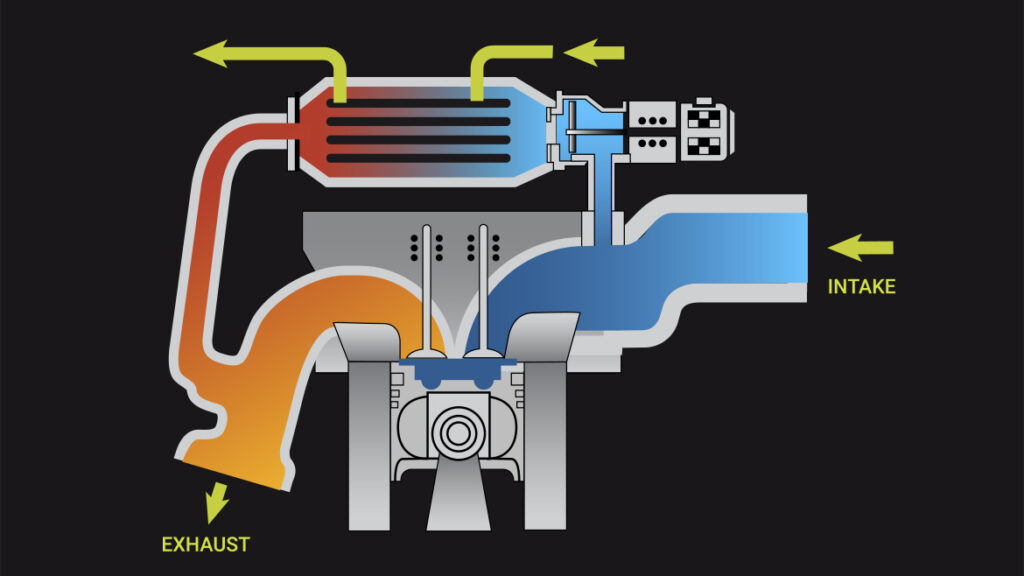
How EGR Systems Work
EGR systems consist of several key components:
- EGR Valve: The heart of the system, the EGR valve controls the flow of exhaust gases into the intake manifold. It can be vacuum-operated or electronically controlled.
- EGR Cooler: In some systems, the exhaust gases are cooled before being recirculated to further reduce combustion temperatures.
- EGR Solenoid: This component controls the vacuum supply to the EGR valve in vacuum-operated systems.
- Sensors: Various sensors, including temperature and pressure sensors, monitor the system’s performance and ensure optimal operation.
When the engine control unit (ECU) determines that conditions are right, it opens the EGR valve, allowing a measured amount of exhaust gas to enter the intake manifold. This process helps to dilute the air-fuel mixture, reducing combustion temperatures and NOx formation.
Benefits of EGR Systems
Common EGR System Issues
Despite their benefits, EGR systems can encounter several issues that affect their performance:
EGR System Maintenance
Regular maintenance of the EGR system is crucial to ensure its proper functioning and longevity. Here are some best practices:

Conclusion
Mastering Exhaust Gas Recirculation is essential for anyone involved in automotive diagnostics and repair. By understanding how EGR systems work, recognizing common issues, and following best practices for maintenance, you can ensure that these systems operate efficiently and effectively. Regular maintenance not only helps in reducing emissions and improving fuel efficiency but also extends the lifespan of your engine. Stay proactive with your EGR system care, and you’ll reap the benefits of a cleaner, more efficient vehicle.
By integrating these insights and maintenance tips into your routine, you’ll be well on your way to mastering EGR systems and ensuring optimal vehicle performance.
Read also:
Need expert help with your setup?
Our team is ready to help you choose the right tools and get you up and running.