
What Is a Vehicle Speed Sensor? How It Works & Signs of Failure
Updated on January 31, 2026
The Vehicle Speed Sensor (VSS) is an essential component of modern vehicles, as it provides important information about the speed and movement of the vehicle to various systems and devices. In this article, we will explore how the VSS works and its importance in modern automobiles. What is a Vehicle Speed Sensor (VSS)? The Vehicle Speed Sensor (VSS) is a small electronic device that is used to measure the speed and movement of the vehicle. The VSS is located on the transmission or transaxle, and it can either be a magnetic or a hall-effect sensor. The VSS is connected to the Engine Control Module (ECM) or Powertrain Control Module (PCM) of the vehicle and provides information about the speed and movement of the vehicle. Types of the VSS There are two main types of Vehicle Speed Sensors: magnetic sensors and hall effect sensors. Both sensors work differently but serve the same purpose. Let’s dive into each type to understand their working principle and advantages. Magnetic Speed Sensors Magnetic Speed Sensors, also known as reluctor sensors, have been used in vehicles for decades. They work based on the principle of magnetism. These sensors are made up of a magnet and a coil. The magnet is attached to the rotating object (transmission or wheel) whose speed is being measured. As the magnet rotates, it creates a magnetic field that induces a voltage in the coil. This voltage is proportional to the speed of the rotating object. Advantages: Disadvantages: Hall Effect Sensors Hall Effect Sensors are the modern type of speed sensors that work based on the Hall Effect. They are more accurate and reliable than magnetic sensors. These sensors use a magnet and a semiconductor chip that detects changes in magnetic fields. When the magnetic field changes, it creates a voltage in the semiconductor chip, which is then used to measure the speed. Advantages: Disadvantages: Overall, Hall Effect Sensors are the preferred choice for modern vehicles due to their accuracy and reliability. However, magnetic sensors are still widely used in older vehicles due to their simplicity and low cost. How the VSS Works The vehicle speed sensor (VSS) is an essential component of modern vehicles. It plays a critical role in determining the speed of the vehicle and transmitting this information to the engine control module (ECM). The ECM then uses this data to control various engine functions such as ignition timing, fuel injection, and transmission shifting. The VSS works by measuring the rotation of the transmission output shaft or wheel speed, depending on the type of VSS used in the vehicle. As the shaft or wheel rotates, the VSS generates an AC voltage signal that varies in frequency and amplitude with the speed of the vehicle. Where is the VSS is located? The VSS is typically located on the transmission output shaft or on one of the wheels. When the VSS is mounted on the transmission, it usually consists of a toothed wheel or gear that rotates with the output shaft, and a magnetic sensor that detects the rotation of the gear. As the gear rotates, it creates a fluctuating magnetic field that is detected by the sensor, which then generates the AC voltage signal. When the VSS is mounted on the wheel, it typically consists of a toothed ring that is attached to the wheel hub, and a magnetic sensor that detects the rotation of the ring. As the ring rotates, it creates a fluctuating magnetic field that is detected by the sensor, which then generates the AC voltage signal. Once the ECM receives the signal from the VSS, it uses this data to adjust the engine functions accordingly. For example, if the VSS signal indicates that the vehicle is traveling at a higher speed, the ECM will increase the fuel injection and ignition timing to produce more power. In summary, the VSS works by measuring the rotation of the transmission output shaft or wheel speed and generating an AC voltage signal that varies in frequency and amplitude with the speed of the vehicle. This signal is then transmitted to the ECM, which uses the data to control various engine functions. Common Problems with the Vehicle Speed Sensor (VSS) The VSS is a critical component of your vehicle’s performance, and when it fails, it can cause a variety of problems. Here are some of the most common issues associated with a faulty VSS: It’s essential to keep in mind that these symptoms may also be caused by other issues, so it’s important to have your vehicle properly diagnosed by a qualified mechanic. If you suspect that your VSS is failing, it’s crucial to have it checked as soon as possible. Delaying repairs can lead to further damage and potentially dangerous driving conditions. Read also: Audi Brake Pad Warning Light? Here’s What You Need to Do Now! Importance of the Vehicle Speed Sensor The Vehicle Speed Sensor (VSS) plays a crucial role in the proper functioning of a vehicle’s engine, transmission, and various other systems. Here are some key reasons why the VSS is important: In summary, the VSS is a small but essential component of a vehicle’s operating system. Its role in the proper functioning of various systems means that any issues with the VSS can have serious consequences. Regular maintenance and inspection of the VSS can help ensure that it continues to operate correctly. Read Also: Replacing Your Vehicle Speed Sensor: A Step-by-Step Guide
The Vehicle Speed Sensor (VSS) is an essential component of modern vehicles, as it provides important information about the speed and movement of the vehicle to various systems and devices. In this article, we will explore how the VSS works and its importance in modern automobiles.
What is a Vehicle Speed Sensor (VSS)?
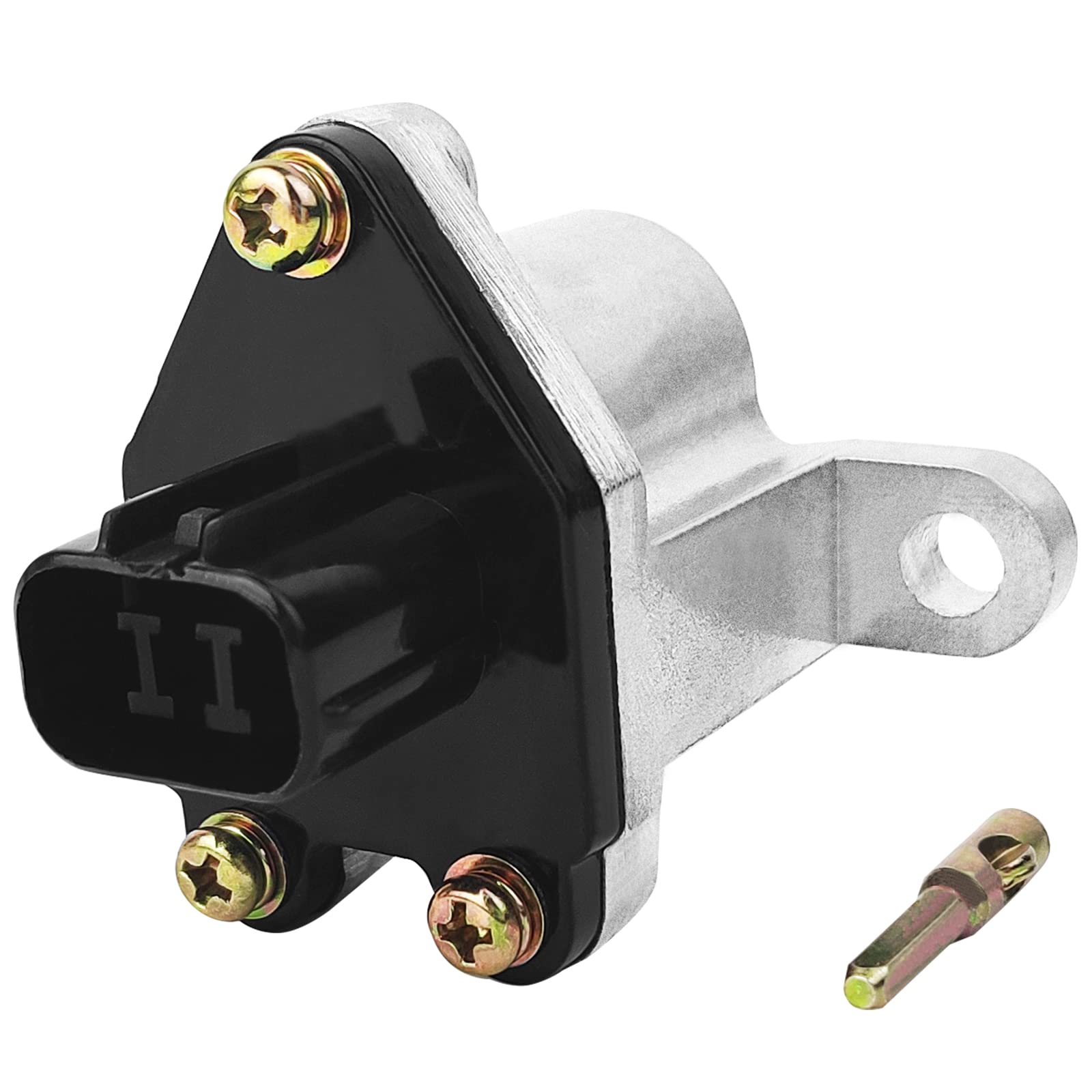
The Vehicle Speed Sensor (VSS) is a small electronic device that is used to measure the speed and movement of the vehicle. The VSS is located on the transmission or transaxle, and it can either be a magnetic or a hall-effect sensor. The VSS is connected to the Engine Control Module (ECM) or Powertrain Control Module (PCM) of the vehicle and provides information about the speed and movement of the vehicle.
Types of the VSS
There are two main types of Vehicle Speed Sensors: magnetic sensors and hall effect sensors. Both sensors work differently but serve the same purpose. Let’s dive into each type to understand their working principle and advantages.
Magnetic Speed Sensors
Magnetic Speed Sensors, also known as reluctor sensors, have been used in vehicles for decades. They work based on the principle of magnetism. These sensors are made up of a magnet and a coil. The magnet is attached to the rotating object (transmission or wheel) whose speed is being measured. As the magnet rotates, it creates a magnetic field that induces a voltage in the coil. This voltage is proportional to the speed of the rotating object.
Advantages:
- Simple and reliable technology
- Low cost
Disadvantages:
- Prone to signal interference
- Less accurate at low speeds
Hall Effect Sensors
Hall Effect Sensors are the modern type of speed sensors that work based on the Hall Effect. They are more accurate and reliable than magnetic sensors. These sensors use a magnet and a semiconductor chip that detects changes in magnetic fields. When the magnetic field changes, it creates a voltage in the semiconductor chip, which is then used to measure the speed.
Advantages:
- Highly accurate
- Less prone to interference
- Work at low speeds
Disadvantages:
- More expensive than magnetic sensors
Overall, Hall Effect Sensors are the preferred choice for modern vehicles due to their accuracy and reliability. However, magnetic sensors are still widely used in older vehicles due to their simplicity and low cost.
How the VSS Works
The vehicle speed sensor (VSS) is an essential component of modern vehicles. It plays a critical role in determining the speed of the vehicle and transmitting this information to the engine control module (ECM). The ECM then uses this data to control various engine functions such as ignition timing, fuel injection, and transmission shifting.
The VSS works by measuring the rotation of the transmission output shaft or wheel speed, depending on the type of VSS used in the vehicle. As the shaft or wheel rotates, the VSS generates an AC voltage signal that varies in frequency and amplitude with the speed of the vehicle.
Where is the VSS is located?
The VSS is typically located on the transmission output shaft or on one of the wheels. When the VSS is mounted on the transmission, it usually consists of a toothed wheel or gear that rotates with the output shaft, and a magnetic sensor that detects the rotation of the gear. As the gear rotates, it creates a fluctuating magnetic field that is detected by the sensor, which then generates the AC voltage signal.
When the VSS is mounted on the wheel, it typically consists of a toothed ring that is attached to the wheel hub, and a magnetic sensor that detects the rotation of the ring. As the ring rotates, it creates a fluctuating magnetic field that is detected by the sensor, which then generates the AC voltage signal.
Once the ECM receives the signal from the VSS, it uses this data to adjust the engine functions accordingly. For example, if the VSS signal indicates that the vehicle is traveling at a higher speed, the ECM will increase the fuel injection and ignition timing to produce more power.
In summary, the VSS works by measuring the rotation of the transmission output shaft or wheel speed and generating an AC voltage signal that varies in frequency and amplitude with the speed of the vehicle. This signal is then transmitted to the ECM, which uses the data to control various engine functions.

Common Problems with the Vehicle Speed Sensor (VSS)
The VSS is a critical component of your vehicle’s performance, and when it fails, it can cause a variety of problems. Here are some of the most common issues associated with a faulty VSS:
It’s essential to keep in mind that these symptoms may also be caused by other issues, so it’s important to have your vehicle properly diagnosed by a qualified mechanic.
If you suspect that your VSS is failing, it’s crucial to have it checked as soon as possible. Delaying repairs can lead to further damage and potentially dangerous driving conditions.
Read also: Audi Brake Pad Warning Light? Here’s What You Need to Do Now!
Importance of the Vehicle Speed Sensor
The Vehicle Speed Sensor (VSS) plays a crucial role in the proper functioning of a vehicle’s engine, transmission, and various other systems. Here are some key reasons why the VSS is important:
In summary, the VSS is a small but essential component of a vehicle’s operating system. Its role in the proper functioning of various systems means that any issues with the VSS can have serious consequences. Regular maintenance and inspection of the VSS can help ensure that it continues to operate correctly.
Read Also: Replacing Your Vehicle Speed Sensor: A Step-by-Step Guide
Need expert help with your setup?
Our team is ready to help you choose the right tools and get you up and running.