
Comprehensive Volvo Fault Codes List: Troubleshooting & Solutions
Updated on January 31, 2026

Introduction Volvo vehicles are known for their reliability, safety, and advanced technology. However, like any modern vehicle, Volvo models use sophisticated electronic systems that may encounter faults. These faults are represented by Diagnostic Trouble Codes (DTCs), commonly known as Volvo fault codes. Deciphering these codes is crucial for effective diagnostics, maintenance, and repair of Volvo vehicles. In this detailed guide, we provide a complete list of Volvo fault codes, including interpretations, potential causes, and recommended solutions to keep your Volvo in optimal condition. What Are Volvo Fault Codes? Volvo fault codes are alphanumeric codes generated by the vehicle’s On-Board Diagnostic (OBD-II) system. These codes indicate specific issues within the vehicle’s systems, such as the engine, transmission, safety modules, and communication networks. Main Categories of Volvo Fault Codes How to Read Volvo Fault Codes To diagnose a Volvo vehicle, a compatible OBD-II scanner or Volvo diagnostic tool is required. Volvo Fault Codes List: Interpretations and Solutions Common OBD-II Codes Fault Code Description System Possible Causes Recommended Solution P0001 MAF sensor, high flow. Intermittent or permanent fault Engine Management Dirty or faulty MAF sensor, air leaks Clean or replace the MAF sensor P0002 Fuel volume regulator defect detected by PCM Fuel System Faulty regulator, wiring issues Check and replace the fuel volume regulator P0010 Camshaft reset valve, intake. Weak or undetectable signal Engine Management Faulty camshaft sensor, wiring problems Replace camshaft sensor, inspect wiring P0011 Camshaft control, intake. Defective signal Engine Management Timing issues, sensor malfunction Check timing belt, replace sensor P0030 Front HO2S, preheating, Signal undetectable Emission Control Oxygen sensor failure, wiring problems Replace oxygen sensor, check connections P0040 Front heated oxygen sensors (HO2S) Defective signal Emission Control Sensor malfunction, ECU issues Replace HO2S sensor, reprogram ECU P0071 Sensor for external temperature, Defective signal HVAC System Sensor damage, wiring fault Replace temperature sensor P0101 Intake air leakage, Defective signal Engine Management Damaged intake manifold, sensor malfunction Repair intake leaks, replace sensor P0201 Injector 1, Signal undetectable Fuel System Faulty injector, wiring issues Test and replace injector P0234 Turbocharger control valve, Pressure too high Turbo System Boost pressure sensor failure, valve malfunction Inspect turbocharger, replace control valve P0300 Random/multiple cylinder misfire detected Engine Ignition issues, fuel delivery problems Check spark plugs, coils, fuel injectors P0335 Engine speed (RPM) sensor, Signal undetectable Engine Management Sensor failure, wiring damage Replace RPM sensor, inspect wiring P0340 Camshaft position (CMP) sensor, Defective signal Engine Management Sensor malfunction, timing chain/belt issues Replace CMP sensor, check timing components Additional Volvo-Specific Codes Volvo Code Description System Possible Causes Recommended Solution ECM-6805 Turbocharger Control Valve Signal Engine Management Boost pressure issues, valve malfunction Inspect turbocharger, replace valve DEM-0006 Rear Differential Oil Temperature Sensor AWD System Sensor failure, wiring issues Replace oil temperature sensor CEM-1A52 Communication with Steering Column Module Lost Communication Faulty module, wiring problems Reprogram or replace steering module SRS-00D4 Seat Belt Pretensioner Circuit Fault Safety Systems Faulty pretensioner, damaged wiring Inspect and replace pretensioner P1729 Throttle unit, Defective signal Throttle Control Faulty throttle body, sensor issues Replace throttle unit, inspect wiring Common Volvo Loader Fault Codes List The following table includes some of the most common Volvo Loader Fault Codes, their interpretations, and recommended actions: Fault Code Interpretation Possible Cause Recommended Solution MID 128 Code for engine control Engine sensor malfunction, ECU issue Diagnose engine sensors, check ECU MID 187 Code for vehicle control Vehicle control module fault Inspect and reprogram control module 4 RE2501 Intake preheat relay, voltage too low Wiring issues, relay failure Check wiring, replace relay 128 PID94 0 ER49 Defect in the Air filter drop sensor Sensor damage, clogging Clean or replace air filter drop sensor 128 PID100 1 ER45 Engine oil pressure too low Oil pump failure, low oil level Check oil level, replace oil pump if needed 11 ER44 – 11 Fault in boost pressure sensor Turbocharger issues, sensor malfunction Inspect turbocharger, replace sensor 4 ER4A-04 Defect in Air filter drop sensor Sensor wiring issue, sensor failure Repair wiring, replace sensor 128 PID110 0 ER47 – 01-11 Problems with the temperature of engine coolant Thermostat issue, radiator blockage Replace thermostat, flush radiator 128 PID111 1 ER46 – 01-04 Problems with engine coolant level Coolant leak, sensor fault Check for leaks, refill coolant, replace sensor 11 ER13 – 01-11 Faults in communication CAN bus issues, module disconnection Inspect CAN bus, verify module connections 187 PPID1134 3 SW9101 – 03 Problem with flow control switch Switch failure, hydraulic system issue Test switch, inspect hydraulic components SE9105 – 00-04 Hydraulic oil temperature issues Overheating, oil level low Check oil level, inspect cooling system 187 SID251 0 ER21 – 00-03 Problems with battery voltage Alternator issue, battery connections Test alternator, clean battery terminals ER14-12 J1587 Component failure General module or sensor malfunction Perform full diagnostic, replace faulty components MA2302-00-04 Injector failure Clogged or damaged injector Clean or replace injector ER12-02 E-ECU controller issues ECU software glitch, hardware failure Reprogram or replace E-ECU ER32 – 03 Issues with Flow control proportional valve Valve malfunction, hydraulic pressure issues Replace flow control valve, check hydraulics How to Reset Volvo Fault Codes Preventing Common Volvo Fault Codes Conclusion Understanding Volvo fault codes is essential for maintaining your vehicle’s performance and safety. Whether you are a professional mechanic or a Volvo owner, being able to interpret these codes accurately can save time, reduce repair costs, and prevent further damage to your vehicle. By using this guide, you can diagnose issues efficiently, implement the right solutions, and ensure your Volvo remains reliable and road-ready. Read also: The Ultimate Guide for Volvo Diagnostic Tools
Introduction
Volvo vehicles are known for their reliability, safety, and advanced technology. However, like any modern vehicle, Volvo models use sophisticated electronic systems that may encounter faults. These faults are represented by Diagnostic Trouble Codes (DTCs), commonly known as Volvo fault codes. Deciphering these codes is crucial for effective diagnostics, maintenance, and repair of Volvo vehicles.
In this detailed guide, we provide a complete list of Volvo fault codes, including interpretations, potential causes, and recommended solutions to keep your Volvo in optimal condition.
What Are Volvo Fault Codes?
Volvo fault codes are alphanumeric codes generated by the vehicle’s On-Board Diagnostic (OBD-II) system. These codes indicate specific issues within the vehicle’s systems, such as the engine, transmission, safety modules, and communication networks.
Main Categories of Volvo Fault Codes
- P-Codes (Powertrain): Engine and transmission issues.
- B-Codes (Body): Related to comfort, safety, and body control systems.
- C-Codes (Chassis): Include suspension, steering, and brake systems.
- U-Codes (Network): Communication errors between control modules.
How to Read Volvo Fault Codes
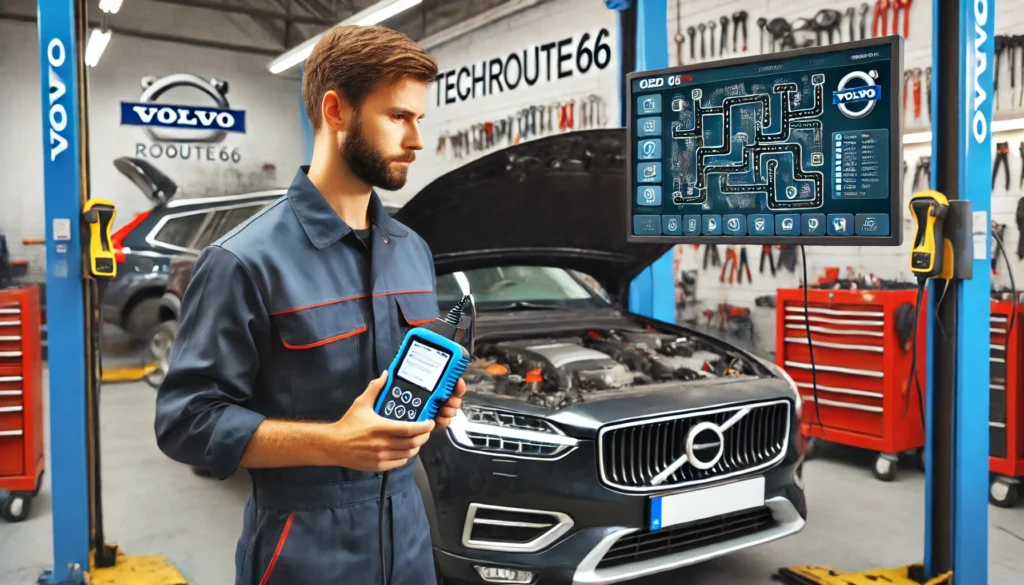
To diagnose a Volvo vehicle, a compatible OBD-II scanner or Volvo diagnostic tool is required.
Volvo Fault Codes List: Interpretations and Solutions
Common OBD-II Codes
| Fault Code | Description | System | Possible Causes | Recommended Solution |
|---|---|---|---|---|
| P0001 | MAF sensor, high flow. Intermittent or permanent fault | Engine Management | Dirty or faulty MAF sensor, air leaks | Clean or replace the MAF sensor |
| P0002 | Fuel volume regulator defect detected by PCM | Fuel System | Faulty regulator, wiring issues | Check and replace the fuel volume regulator |
| P0010 | Camshaft reset valve, intake. Weak or undetectable signal | Engine Management | Faulty camshaft sensor, wiring problems | Replace camshaft sensor, inspect wiring |
| P0011 | Camshaft control, intake. Defective signal | Engine Management | Timing issues, sensor malfunction | Check timing belt, replace sensor |
| P0030 | Front HO2S, preheating, Signal undetectable | Emission Control | Oxygen sensor failure, wiring problems | Replace oxygen sensor, check connections |
| P0040 | Front heated oxygen sensors (HO2S) Defective signal | Emission Control | Sensor malfunction, ECU issues | Replace HO2S sensor, reprogram ECU |
| P0071 | Sensor for external temperature, Defective signal | HVAC System | Sensor damage, wiring fault | Replace temperature sensor |
| P0101 | Intake air leakage, Defective signal | Engine Management | Damaged intake manifold, sensor malfunction | Repair intake leaks, replace sensor |
| P0201 | Injector 1, Signal undetectable | Fuel System | Faulty injector, wiring issues | Test and replace injector |
| P0234 | Turbocharger control valve, Pressure too high | Turbo System | Boost pressure sensor failure, valve malfunction | Inspect turbocharger, replace control valve |
| P0300 | Random/multiple cylinder misfire detected | Engine | Ignition issues, fuel delivery problems | Check spark plugs, coils, fuel injectors |
| P0335 | Engine speed (RPM) sensor, Signal undetectable | Engine Management | Sensor failure, wiring damage | Replace RPM sensor, inspect wiring |
| P0340 | Camshaft position (CMP) sensor, Defective signal | Engine Management | Sensor malfunction, timing chain/belt issues | Replace CMP sensor, check timing components |
Additional Volvo-Specific Codes
| Volvo Code | Description | System | Possible Causes | Recommended Solution |
|---|---|---|---|---|
| ECM-6805 | Turbocharger Control Valve Signal | Engine Management | Boost pressure issues, valve malfunction | Inspect turbocharger, replace valve |
| DEM-0006 | Rear Differential Oil Temperature Sensor | AWD System | Sensor failure, wiring issues | Replace oil temperature sensor |
| CEM-1A52 | Communication with Steering Column Module Lost | Communication | Faulty module, wiring problems | Reprogram or replace steering module |
| SRS-00D4 | Seat Belt Pretensioner Circuit Fault | Safety Systems | Faulty pretensioner, damaged wiring | Inspect and replace pretensioner |
| P1729 | Throttle unit, Defective signal | Throttle Control | Faulty throttle body, sensor issues | Replace throttle unit, inspect wiring |
Common Volvo Loader Fault Codes List
The following table includes some of the most common Volvo Loader Fault Codes, their interpretations, and recommended actions:
| Fault Code | Interpretation | Possible Cause | Recommended Solution |
|---|---|---|---|
| MID 128 | Code for engine control | Engine sensor malfunction, ECU issue | Diagnose engine sensors, check ECU |
| MID 187 | Code for vehicle control | Vehicle control module fault | Inspect and reprogram control module |
| 4 RE2501 | Intake preheat relay, voltage too low | Wiring issues, relay failure | Check wiring, replace relay |
| 128 PID94 0 ER49 | Defect in the Air filter drop sensor | Sensor damage, clogging | Clean or replace air filter drop sensor |
| 128 PID100 1 ER45 | Engine oil pressure too low | Oil pump failure, low oil level | Check oil level, replace oil pump if needed |
| 11 ER44 – 11 | Fault in boost pressure sensor | Turbocharger issues, sensor malfunction | Inspect turbocharger, replace sensor |
| 4 ER4A-04 | Defect in Air filter drop sensor | Sensor wiring issue, sensor failure | Repair wiring, replace sensor |
| 128 PID110 0 ER47 – 01-11 | Problems with the temperature of engine coolant | Thermostat issue, radiator blockage | Replace thermostat, flush radiator |
| 128 PID111 1 ER46 – 01-04 | Problems with engine coolant level | Coolant leak, sensor fault | Check for leaks, refill coolant, replace sensor |
| 11 ER13 – 01-11 | Faults in communication | CAN bus issues, module disconnection | Inspect CAN bus, verify module connections |
| 187 PPID1134 3 SW9101 – 03 | Problem with flow control switch | Switch failure, hydraulic system issue | Test switch, inspect hydraulic components |
| SE9105 – 00-04 | Hydraulic oil temperature issues | Overheating, oil level low | Check oil level, inspect cooling system |
| 187 SID251 0 ER21 – 00-03 | Problems with battery voltage | Alternator issue, battery connections | Test alternator, clean battery terminals |
| ER14-12 J1587 | Component failure | General module or sensor malfunction | Perform full diagnostic, replace faulty components |
| MA2302-00-04 | Injector failure | Clogged or damaged injector | Clean or replace injector |
| ER12-02 | E-ECU controller issues | ECU software glitch, hardware failure | Reprogram or replace E-ECU |
| ER32 – 03 | Issues with Flow control proportional valve | Valve malfunction, hydraulic pressure issues | Replace flow control valve, check hydraulics |
How to Reset Volvo Fault Codes
Preventing Common Volvo Fault Codes
- Regular Maintenance: Adhere to Volvo’s recommended maintenance schedule.
- Use Genuine Parts: Avoid aftermarket parts that may not be compatible.
- Address Warning Lights: Act on dashboard warnings immediately.
- Software Updates: Keep your vehicle’s ECU software up-to-date.
- Check Sensors and Wiring: Regularly inspect sensors and wiring for damage or wear.
Conclusion
Understanding Volvo fault codes is essential for maintaining your vehicle’s performance and safety. Whether you are a professional mechanic or a Volvo owner, being able to interpret these codes accurately can save time, reduce repair costs, and prevent further damage to your vehicle.
By using this guide, you can diagnose issues efficiently, implement the right solutions, and ensure your Volvo remains reliable and road-ready.
Need expert help with your setup?
Our team is ready to help you choose the right tools and get you up and running.