
Camshaft Position Sensor Replacement Guide – Step by Step
Updated on June 13, 2026
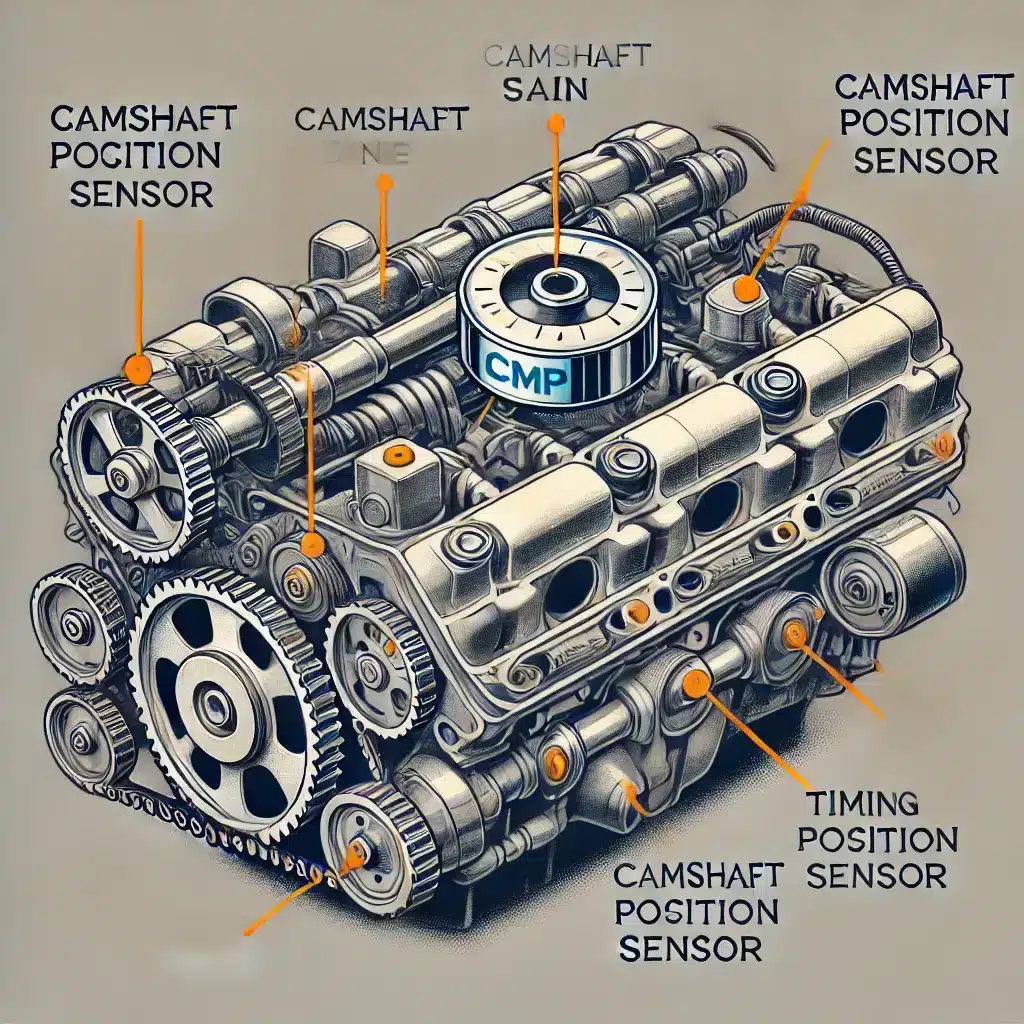
Introduction
The camshaft position sensor replacement is a crucial maintenance task for modern engines, as the sensor works alongside the crankshaft position sensor (CKP) to regulate ignition timing and fuel injection. The camshaft position sensor (CMP) is a crucial component in modern engines, working alongside the crankshaft position sensor (CKP) to regulate ignition timing and fuel injection. A failing CMP sensor can cause poor performance, rough idling, and even prevent the engine from starting. In this guide, we will discuss how to diagnose and replace a faulty camshaft position sensor.
Symptoms of a Failing Camshaft Position Sensor
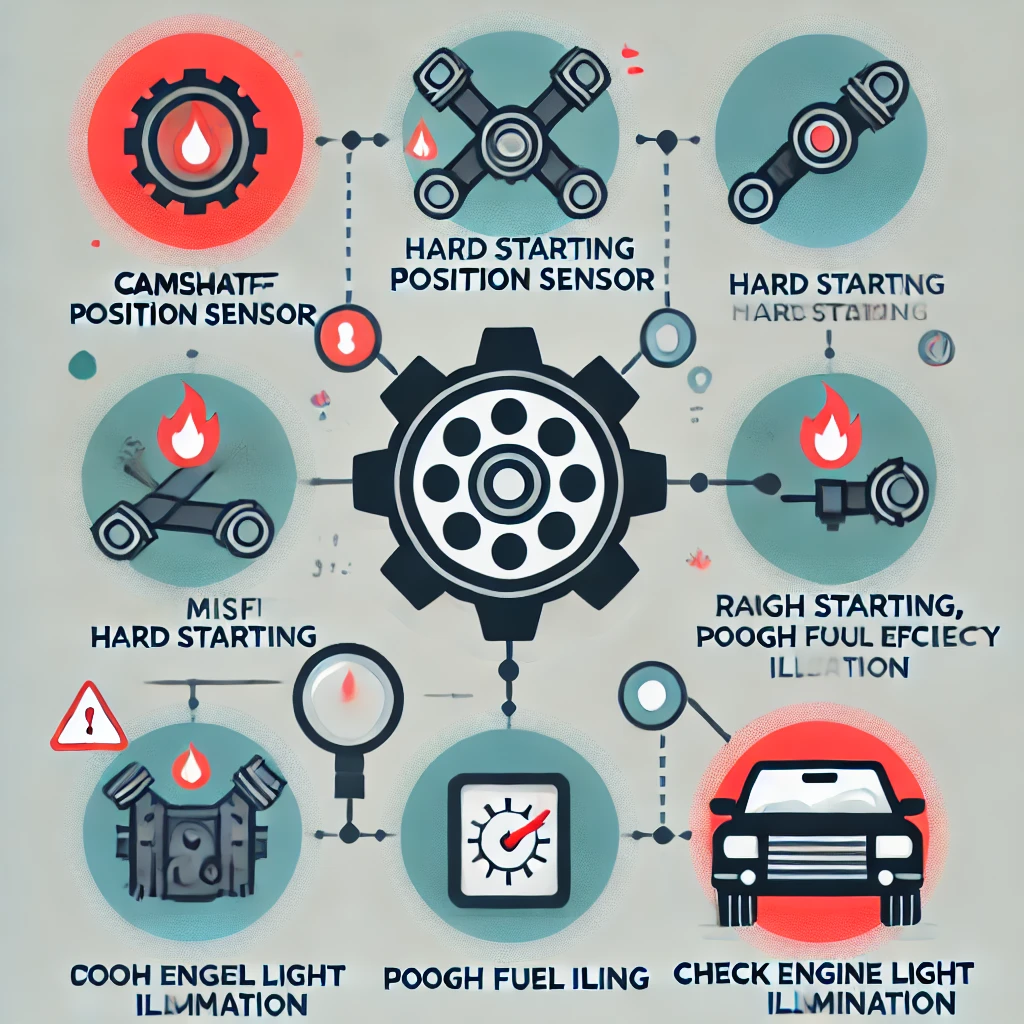
A faulty CMP sensor can exhibit several warning signs, including:
- Check Engine Light (CEL) Activation – The ECU logs a diagnostic trouble code (DTC) related to the CMP sensor, commonly P0340 or P0341.
- Engine Misfires – Incorrect timing can cause misfiring, leading to rough performance and reduced power.
- Hard Starting or No-Start Condition – If the ECU does not receive an accurate signal from the CMP sensor, it may prevent the engine from starting.
- Poor Fuel Efficiency – Inaccurate sensor readings can disrupt the air-fuel mixture, leading to increased fuel consumption.
- Rough Idling or Stalling – A malfunctioning CMP sensor can cause erratic engine behavior, such as unstable RPMs and sudden stalls.
Note: If your vehicle also exhibits crankshaft position sensor-related issues, refer to our Comprehensive Guide to Crankshaft Position Sensor Testing for further diagnosis.
Diagnosing a Faulty Camshaft Position Sensor
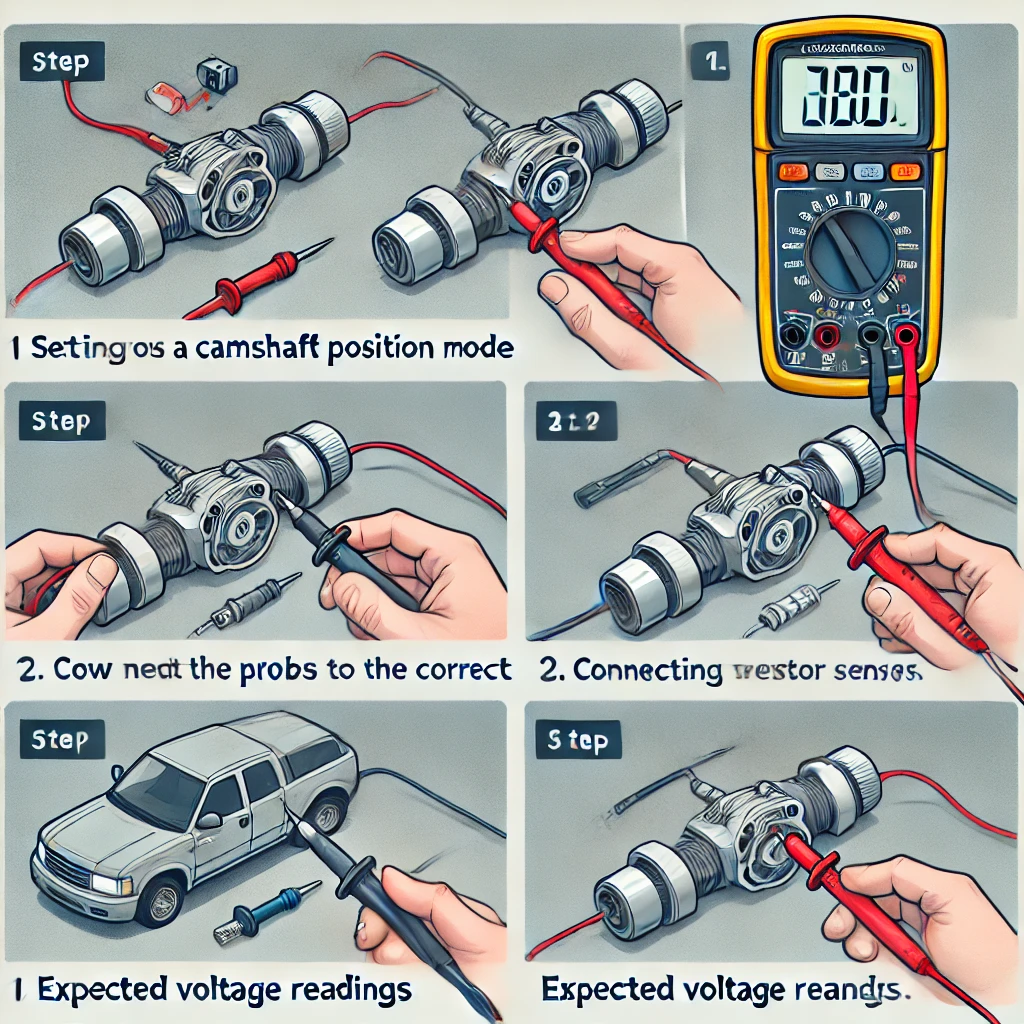
Step 1: Retrieve Diagnostic Trouble Codes (DTCs)
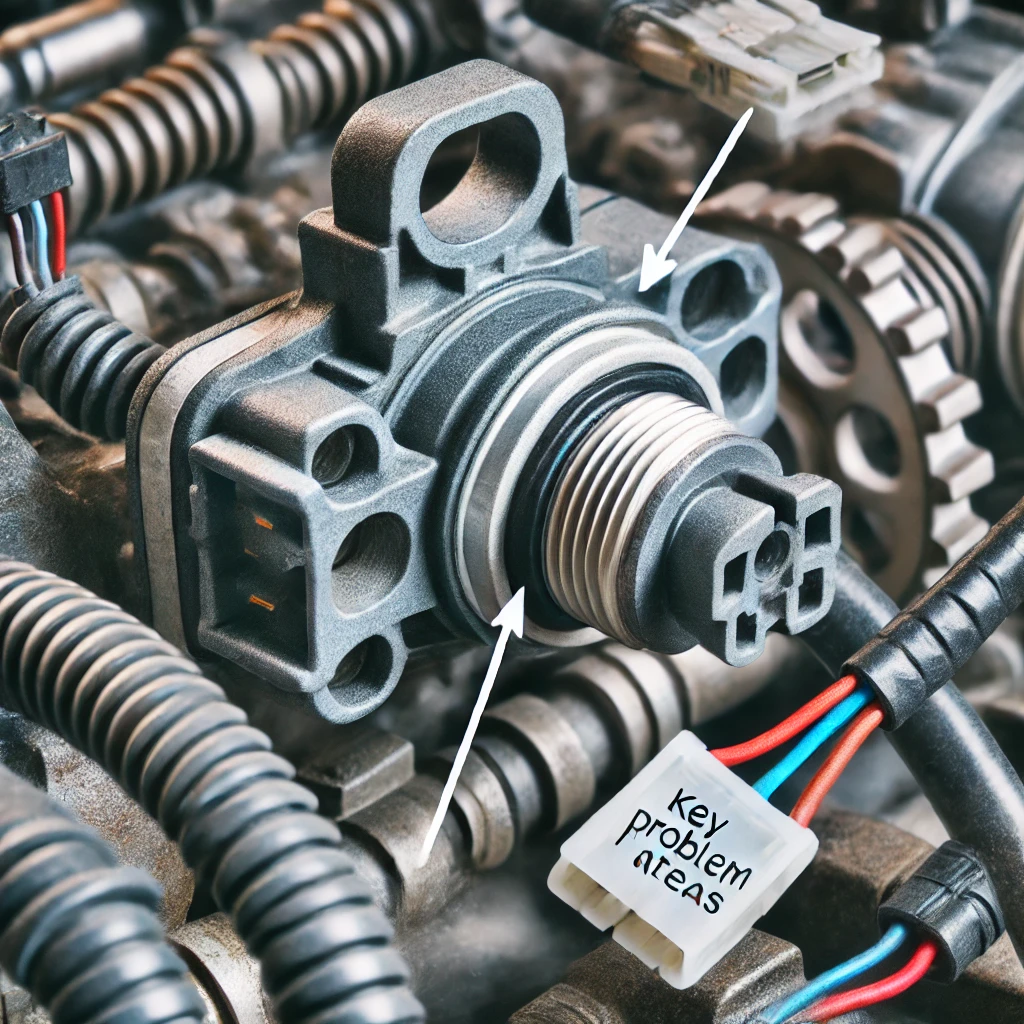
Step 2: Perform a Visual Inspection
- Check for damaged wiring, loose connections, or corroded terminals on the CMP sensor harness.
- Ensure the sensor is securely mounted and not contaminated with debris or oil.
- Inspect the reluctor wheel or timing components for damage, as misalignment can cause sensor issues.
Step 3: Test the Camshaft Position Sensor with a Multimeter
For Hall Effect CMP Sensors:
For Inductive CMP Sensors:
For more information on sensor waveform patterns, see our Crankshaft Position Sensor Testing Guide.
Camshaft Position Sensor Replacement
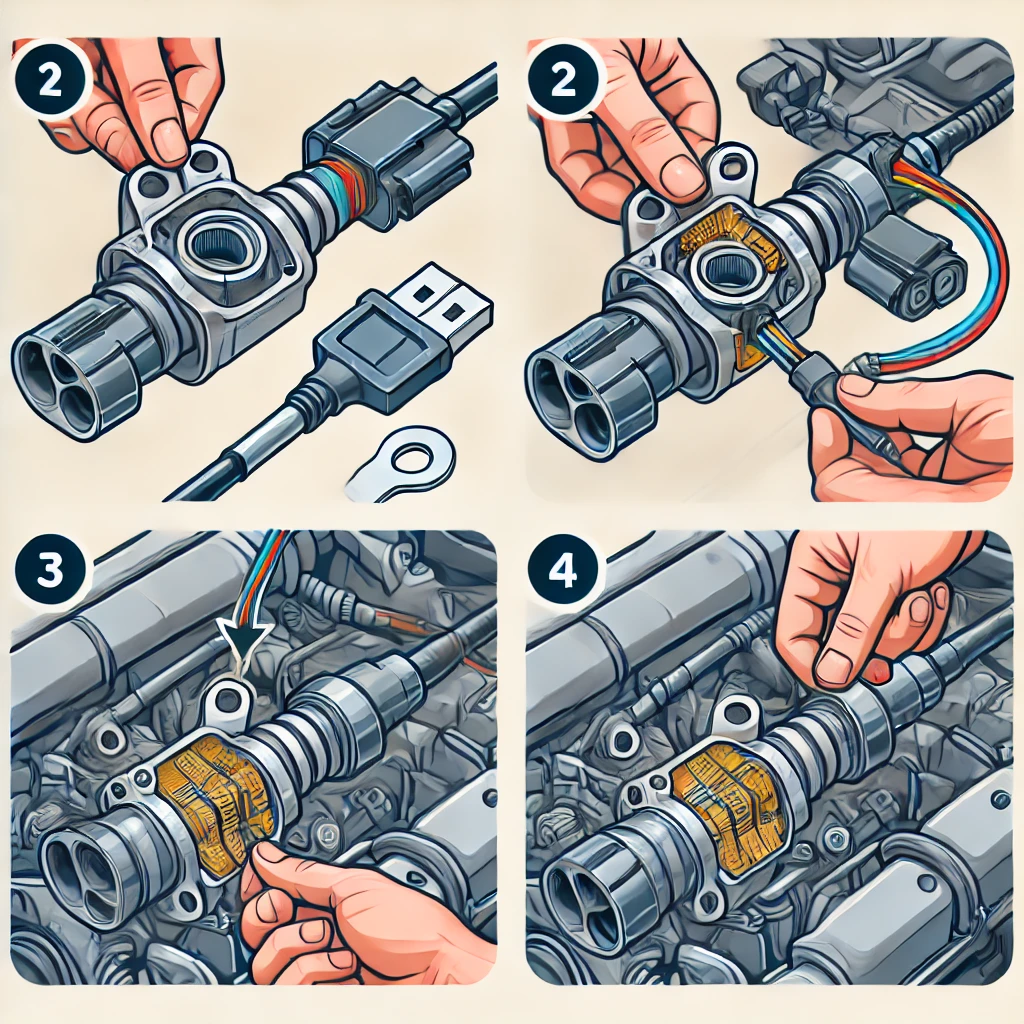
Tools Needed:
- Socket wrench set
- Screwdrivers
- OBD-II scanner (optional)
- New camshaft position sensor
Step-by-Step Replacement Guide:
This section provides a detailed guide on camshaft position sensor replacement, ensuring a smooth and accurate process for DIY enthusiasts and professionals alike.
Conclusion
A faulty camshaft position sensor can cause significant engine performance issues, but diagnosing and replacing it is relatively straightforward. If your vehicle continues to exhibit similar symptoms, consider testing the crankshaft position sensor as well. For a full troubleshooting guide, refer to our Crankshaft Position Sensor Testing Guide.
Need expert help with your setup?
Our team is ready to help you choose the right tools and get you up and running.